
Reactor Temperature Profiles and e-SAF Selectivity: Lessons From Pilot Data
Temperature distribution across a methanol-to-jet reactor bed is not uniform, and that non-uniformity has a measurable effect on carbon chain selectivity.

Technical Insights
Written by the Metafuels engineering team. Articles cover methanol-to-jet process fundamentals, AI optimization observations from pilot campaigns, and the evolving SAF regulatory landscape.

Six months into the first compliance year, fuel producers and airlines are sitting with fragmented reporting. We break down where the mandated SAF volumes are coming from and where the gaps remain.
Read Article
Temperature distribution across a methanol-to-jet reactor bed is not uniform, and that non-uniformity has a measurable effect on carbon chain selectivity.

The quality of green methanol feedstock, specifically its water content and contaminant profile, directly affects catalyst lifetime in downstream MTJ conversion.

Each pilot campaign produces a set of operating conditions that either wasted energy or improved yield. After 12 campaigns, the pattern of improvements is worth sharing.
The ICAO CORSIA eligible fuels list now includes electrofuels, but the certification pathway requires lifecycle analysis documentation most small producers are not yet set up to produce.
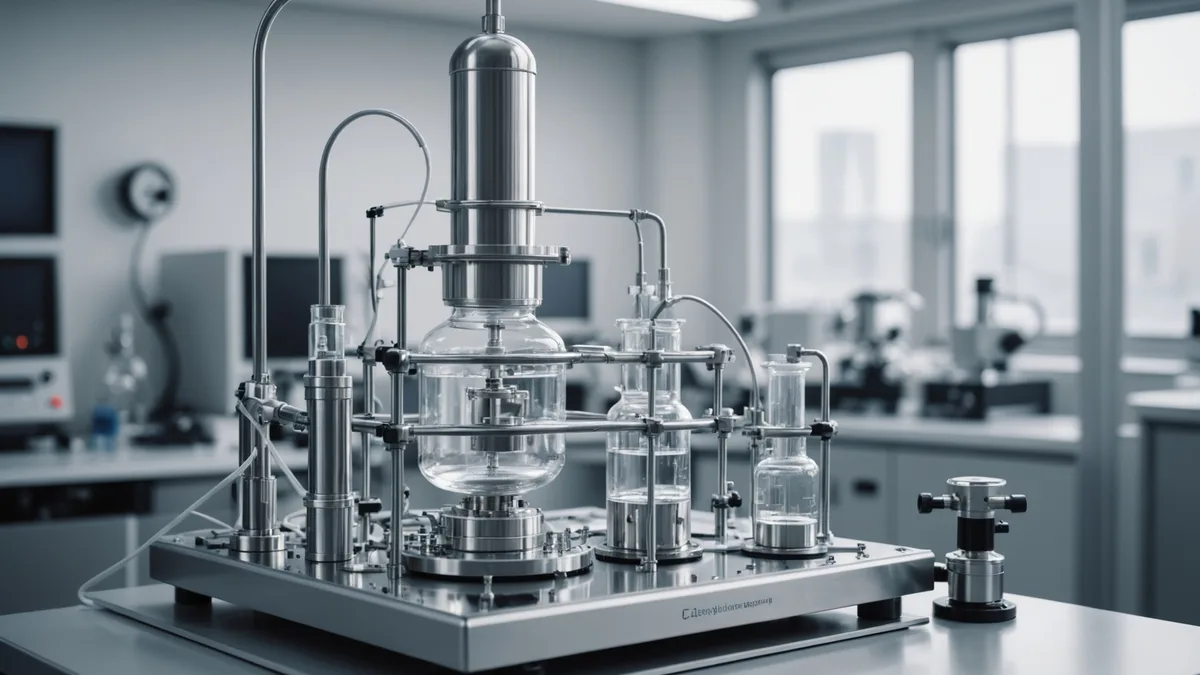
MTJ conversion involves three sequential reaction stages, each with its own temperature and pressure window. Getting the conditions wrong in the first stage propagates downstream.

CORSIA, ReFuelEU, and the US SAF blender tax credit all use different methodologies to measure carbon intensity. This comparison shows where they agree and where they diverge.
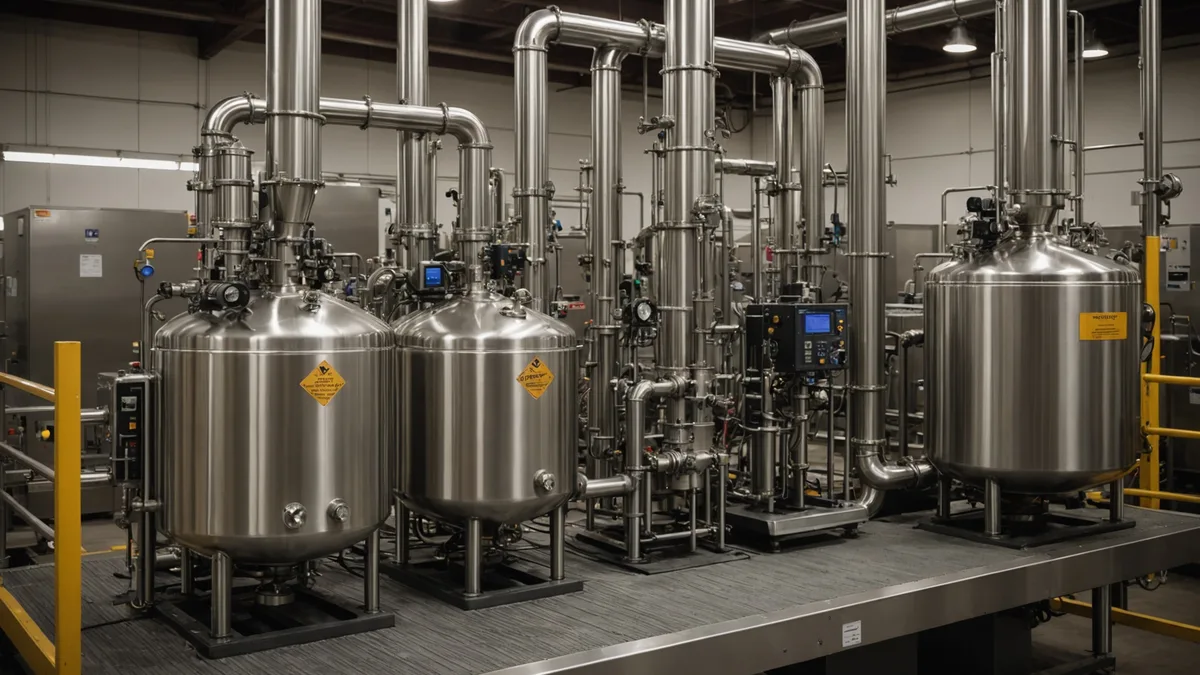
Our first extended pilot campaign ran for eight weeks at our pilot facility in Zürich. The reactor held, the catalyst held, and the process software accumulated enough run data to start making useful predictions.

e-SAF from green methanol is roughly 4 to 6 times the production cost of Jet A today. The gap has narrowed in three years, but not fast enough without either policy support or better process economics.
A well-to-wake comparison of green methanol derived e-SAF against fossil Jet A shows an 85 to 92 percent reduction in lifecycle CO2 under current green electricity grid assumptions.

A methanol-to-jet process has dozens of interdependent variables that shift during a campaign. Generic DCS software can log them all; what it cannot do is suggest parameter changes based on campaign history.

Sustainable aviation fuel is produced via five distinct pathways. Each has a different feedstock, cost structure, and scalability profile. This piece maps the ecosystem and explains the methanol-to-jet AI role.